The Best Ways to Calm Your Mind When Stressed: Tips and Techniques

In today's fast-paced and stressful world, it can be difficult to find peace of mind. Our minds are constantly bombarded with information, distractions, and worries, leaving us feeling overwhelmed and anxious. But there are simple yet effective ways to calm your mind and achieve a sense of inner peace. In this article, we'll explore the best ways to calm your mind and reduce stress and anxiety.
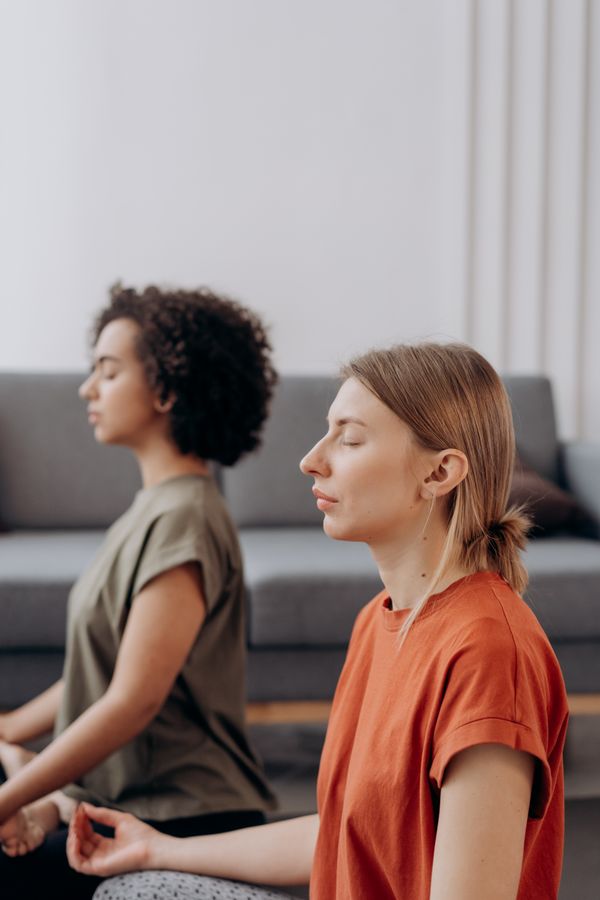
1. Practice Mindfulness Meditation
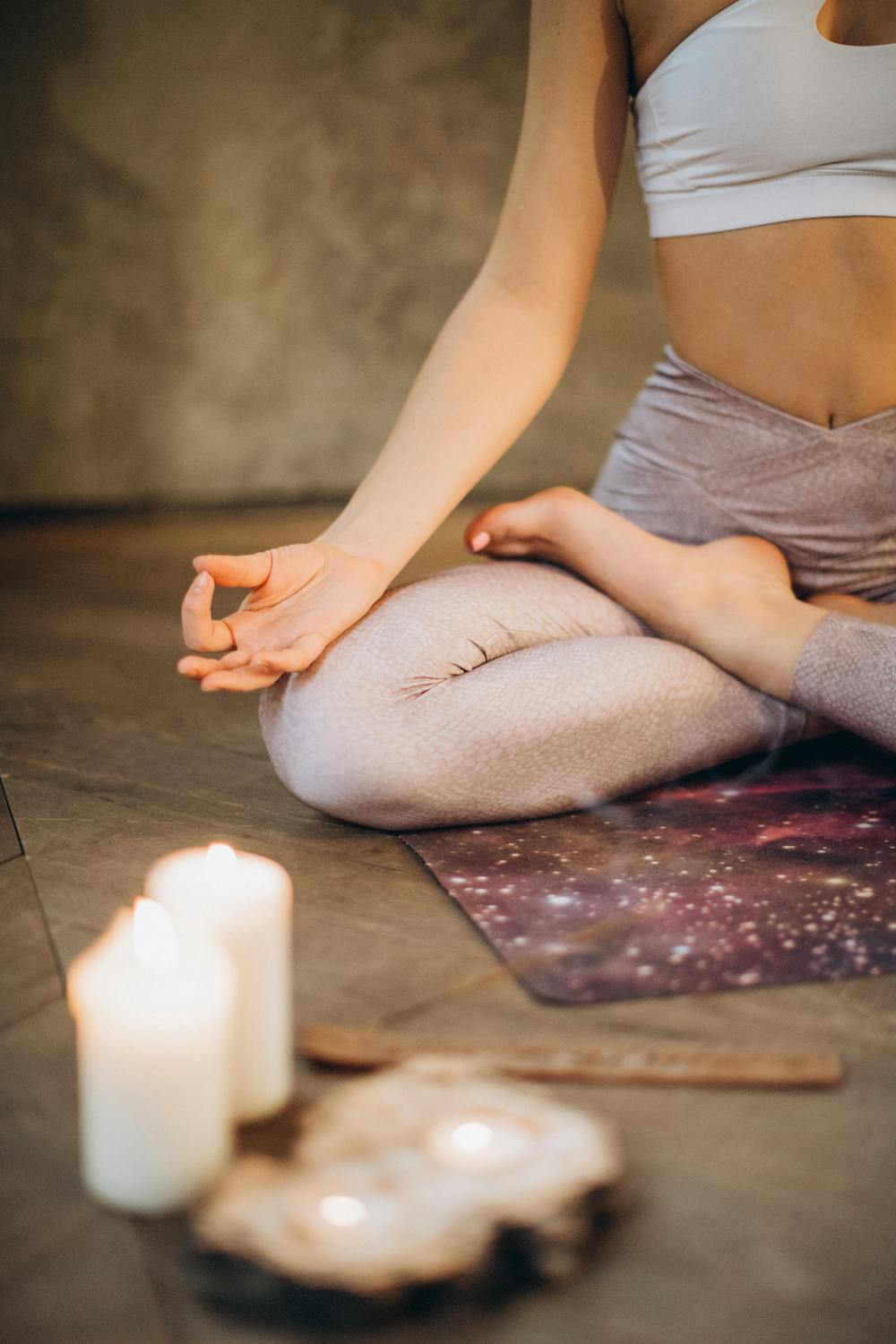
One of the most effective ways to calm your mind is through mindfulness meditation. This technique involves focusing your attention on the present moment and observing your thoughts and emotions without judgment. Regular mindfulness meditation has been shown to reduce stress and anxiety, improve mood, and increase feelings of well-being. To practice mindfulness meditation, find a quiet and comfortable place to sit, close your eyes, and focus on your breath. Whenever your mind wanders, gently bring it back to your breath.
2. Engage in Physical Exercise
Physical exercise is not only good for your body but also for your mind. Exercise releases endorphins, the body's natural feel-good chemicals, which can boost your mood and reduce stress and anxiety. Additionally, exercise can help clear your mind and improve your focus. Choose an exercise that you enjoy, such as running, cycling, yoga, or dancing, and make it a regular part of your routine.

3. Spend Time in Nature
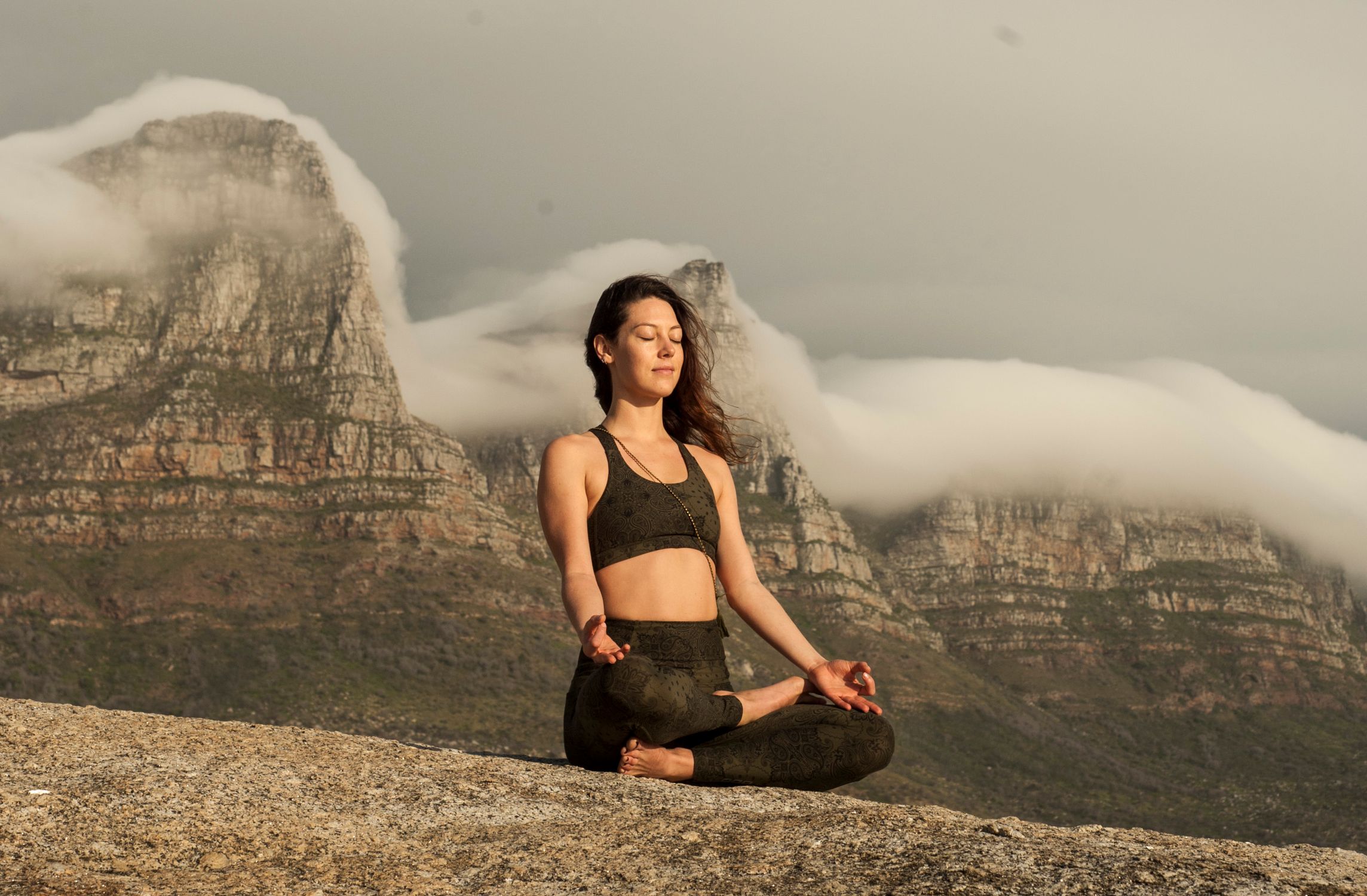
Nature has a calming effect on our minds and bodies. Spending time in nature, whether it's a walk in the park, a hike in the woods, or a day at the beach, can reduce stress and anxiety and improve our overall well-being. Research has shown that spending time in nature can lower cortisol levels, the hormone associated with stress, and improve our mood and cognitive function.
4. Practice Deep Breathing
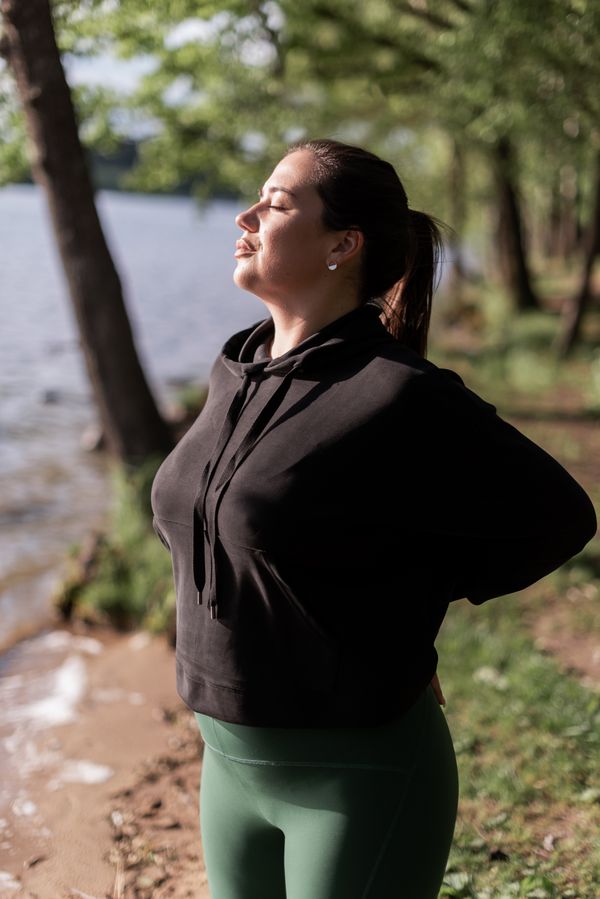
Deep breathing is a simple yet powerful technique to calm your mind and reduce stress and anxiety. This technique involves taking slow, deep breaths, filling your lungs with air, and exhaling slowly. Deep breathing can help lower your heart rate, reduce tension in your muscles, and improve your focus. To practice deep breathing, find a quiet place to sit or lie down, and inhale slowly through your nose, filling your lungs with air. Hold your breath for a few seconds, then exhale slowly through your mouth.
5. Engage in Creative Activities
Engaging in creative activities, such as painting, writing, or playing music, can help calm your mind and reduce stress and anxiety. Creative activities can be a form of meditation, allowing you to focus your attention and be fully present at the moment. Additionally, creative activities can provide a sense of accomplishment and boost your self-esteem. Choose a creative activity that you enjoy, and make time for it regularly.
6. Practice Gratitude
Practising gratitude is a simple yet powerful technique to shift your focus from negative thoughts to positive ones. When you focus on what you're grateful for, you can cultivate a sense of inner peace and well-being. To practice gratitude, make a list of things you're grateful for each day, such as your health, your family, your job, or your home.

7. Get Enough Sleep
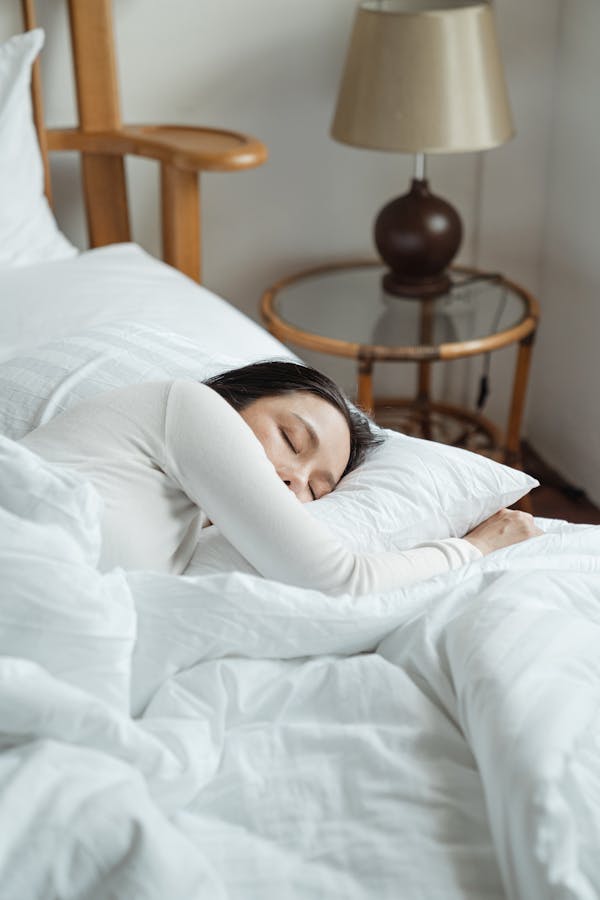
Getting enough sleep is crucial for your physical and mental health. Lack of sleep can lead to increased stress and anxiety, as well as a range of health problems. Aim for at least 7-8 hours of sleep each night, and establish a regular sleep routine to help you fall asleep and wake up at the same time each day.
8. Practice Yoga
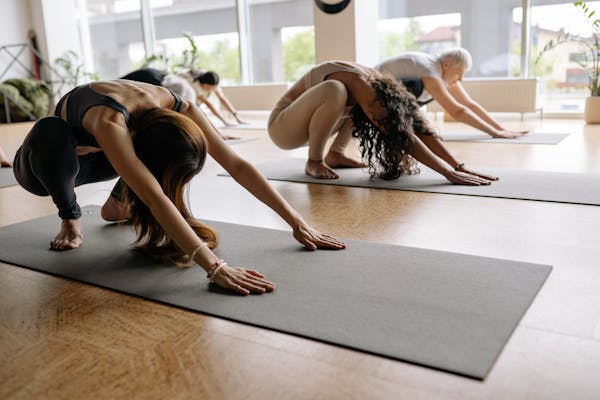
Yoga is a mind-body practice that can help calm your mind and reduce stress and anxiety. Yoga combines physical postures with breathing and meditation, which can help you relax and focus your mind. There are many different types of yoga, so choose a style that resonates with you, and make it a regular part of your routine.
9. Disconnect from Technology
Technology can be a major source of stress and distraction, especially when we're constantly connected to our phones and computers. Take regular breaks from technology, such as turning off your phone for an hour or two each day, or taking a digital detox weekend. Disconnecting from technology can help you clear your mind and focus on the present moment.

10. Seek Professional Help
If you're experiencing chronic stress or anxiety, it's important to seek professional help. A mental health professional can help you identify the underlying causes of your stress and anxiety, and provide you with effective techniques and strategies to manage them. Don't hesitate to reach out for help if you need it.

11. Practice Progressive Muscle Relaxation
Progressive muscle relaxation is a technique that involves tensing and relaxing each muscle group in your body, one at a time. This technique can help you become more aware of the tension in your body and learn to release it. To practice progressive muscle relaxation, find a quiet and comfortable place to lie down, and focus on one muscle group at a time, tensing it for a few seconds, then releasing the tension and relaxing the muscle.

12. Listen to Calming Music
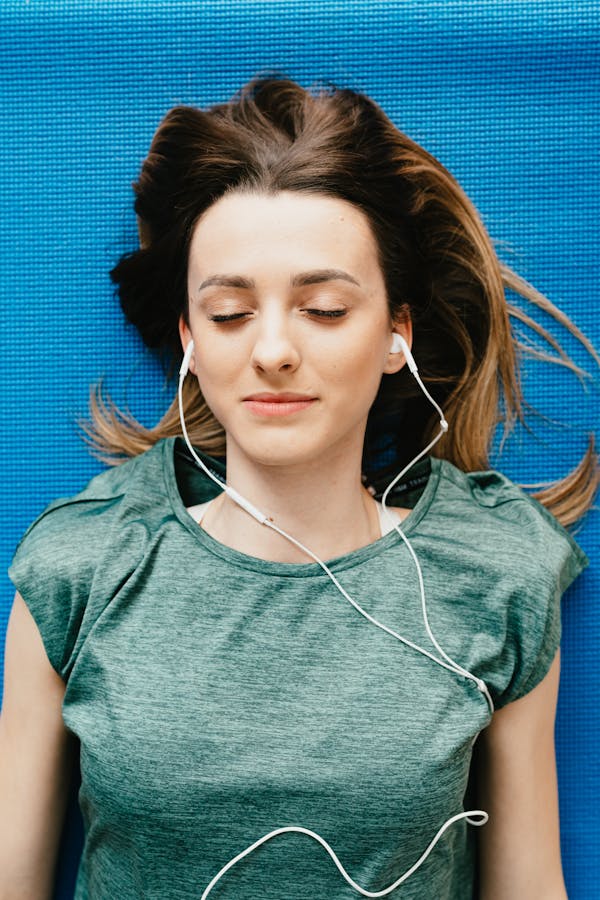
Music has a powerful effect on our moods and emotions. Listening to calming music, such as classical music or nature sounds, can help reduce stress and anxiety and promote relaxation. Create a playlist of your favourite calming music, and listen to it when you need to unwind.
13. Practice Visualization
Visualization is a technique that involves imagining a peaceful and calming scene in your mind. This technique can help you relax and reduce stress and anxiety. To practice visualization, find a quiet and comfortable place to sit or lie down, and close your eyes. Imagine yourself in a peaceful and calming place, such as a beach or a forest, and focus on the sights, sounds, and sensations of that place.

14. Take a Warm Bath or Shower
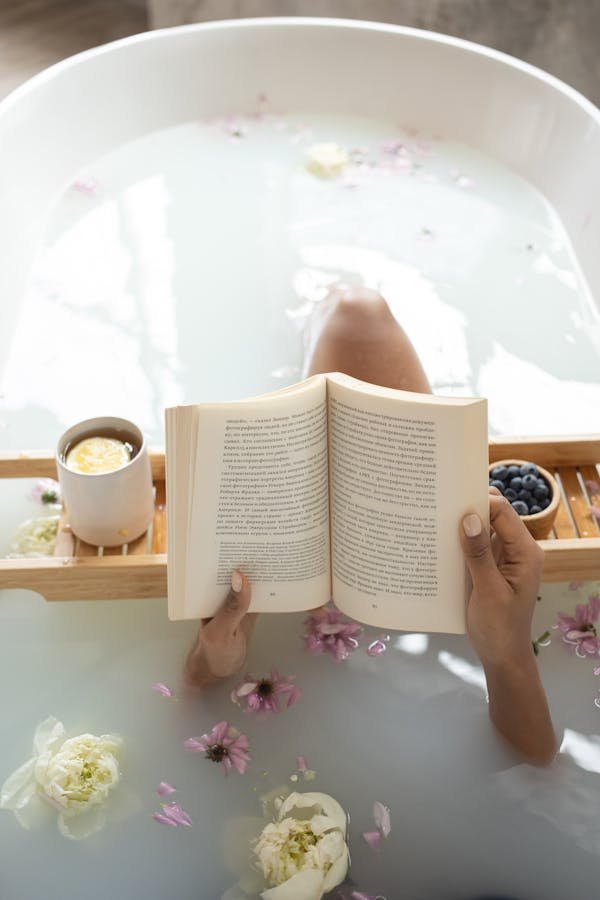
Taking a warm bath or shower can help you relax and reduce stress and anxiety. Warm water can help soothe your muscles and calm your mind. Add some aromatherapy oils, such as lavender or chamomile, to enhance the calming effect.
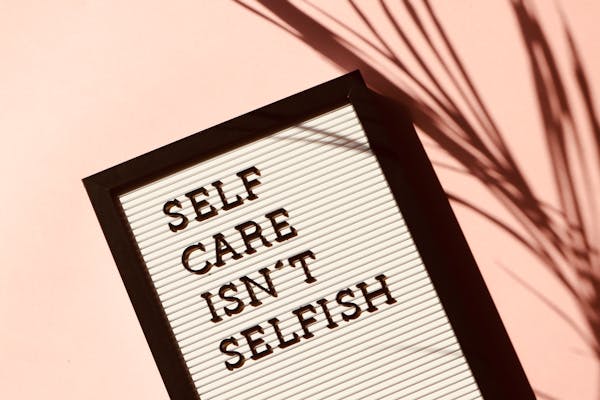
15. Practice Self-Care
Practising self-care is essential for maintaining a calm and peaceful mind. Self-care activities can include anything that helps you relax and recharge, such as taking a bubble bath, reading a book, or getting a massage. Make self-care a regular part of your routine, and prioritize it as you would any other important activity.
16. Practice Tai Chi or Qigong
Tai Chi and Qigong are ancient Chinese practices that combine movement, breathing, and meditation. These practices can help you cultivate a sense of calm and relaxation, as well as improve your physical and mental health. Find a local class or practice at home using online resources.

17. Spend Time with Loved Ones
Spending time with loved ones can help reduce stress and anxiety and improve your overall well-being. Social support is essential for our mental health, so make time to connect with family and friends on a regular basis.

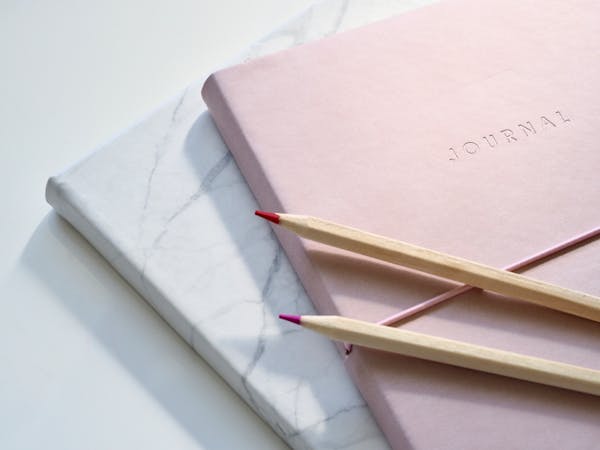
18. Practice Journaling
Journaling is a powerful tool for managing stress and anxiety. Writing down your thoughts and emotions can help you gain clarity and perspective, as well as reduce rumination and worry. Set aside time each day to write in a journal, and allow yourself to express your thoughts and feelings without judgment.
19. Practice Gracious Acceptance
Gracious acceptance is the practice of accepting things as they are, without judgment or resistance. This practice can help you let go of stress and anxiety and cultivate a sense of inner peace. To practice gracious acceptance, simply observe your thoughts and emotions without trying to change or control them.

20. Practice Loving-Kindness Meditation
Loving-kindness meditation is a technique that involves cultivating feelings of love and kindness towards yourself and others. This technique can help reduce stress and anxiety and promote feelings of well-being and compassion. To practice loving-kindness meditation, find a quiet and comfortable place to sit, and focus on sending loving and kind thoughts to yourself, to loved ones, and to all beings.
Incorporating these additional tips and techniques into your daily routine can help you cultivate a calmer and more peaceful mind. Remember to be patient and kind to yourself, and to prioritize your mental health and well-being.
Conclusion
In conclusion, there are many ways to calm your mind and reduce stress and anxiety. By practising mindfulness meditation, engaging in physical exercise, spending time in nature, practising deep breathing, and engaging in creative activities, you can achieve a sense of inner peace and well-being. Incorporate these tips and techniques into your daily routine, and you'll be on your way to a calmer and more peaceful mind.


Comments
Post a Comment